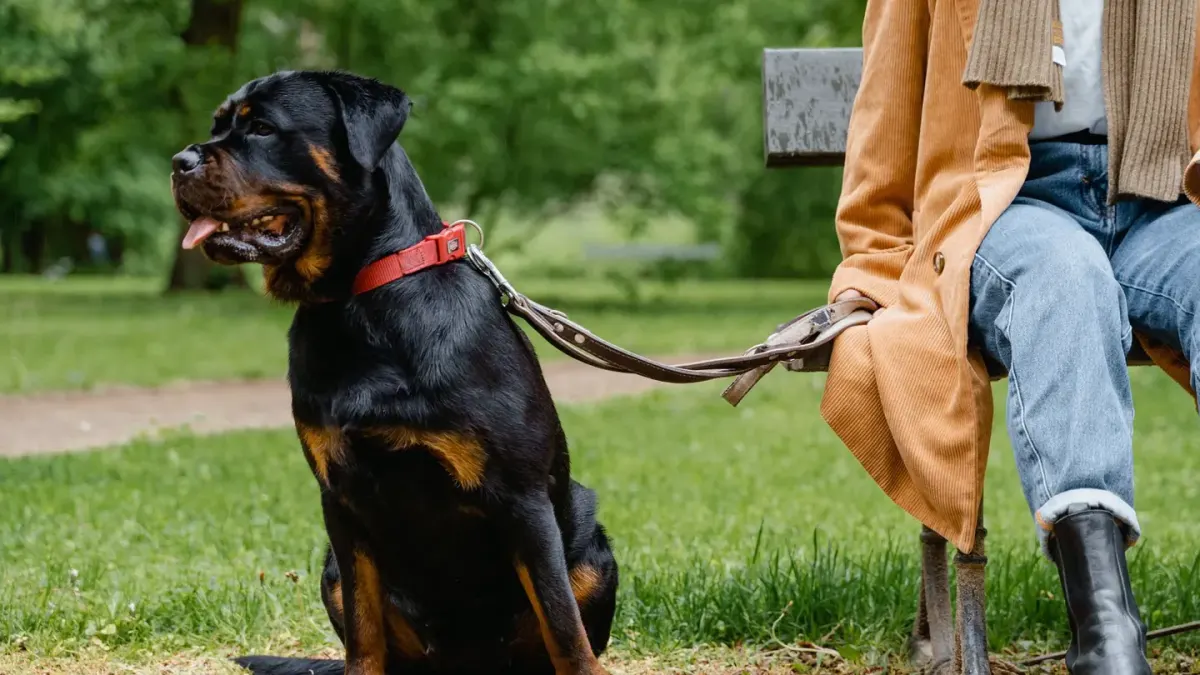
Feel the ribs first. Look at the waist second. Read the scale third.
That order matters after age 7 or so, because aging dogs lose muscle even when weight holds steady. Teaching point: body condition scoring judges fat cover, while muscle condition scoring judges lean mass. You need both.

Weigh the scale against your hands
Stand back and look. Then put hands on the dog.
Check three spots in this order. Run flat palms over the ribs. You should feel ribs easily under a thin cover, without pressing hard. Look from above for a visible waist behind the ribs. Look from the side for a slight abdominal tuck.
In practice, vets often see the same trap. Debra in San Jose noticed her 10-year-old neutered Cane Corso mix Alphonse still weighed 102 pounds. The number looked stable. Her hands told another story: ribs were still padded, but his thigh muscles had flattened and his spine felt sharper over four weeks.
That split is common. Fat stays. Muscle fades.
Use the 9-point body condition scale described by VCA Hospitals. Ideal for most senior dogs is 4 to 5 out of 9. Below 4 means too thin. Above 5 means excess fat.
Then score muscle separately. Feel over the shoulders, spine, and back legs. Compare left to right. Note normal, mild loss, moderate loss, or severe loss.
The WSAVA Global Nutrition Guidelines pair both scores at every nutrition check for the same reason. One score cannot replace the other.
Weight still has a job. Weigh monthly on the same scale at the same time of day.
Feed the muscle you find
Small steps protect lean mass.
Feed to the condition score, not the bag’s age chart. If ribs are hard to feel, reduce by 10% and recheck in two weeks. If ribs are too prominent, increase by 10% and recheck.
Keep protein steady unless your vet advises otherwise. Older dogs generally need adequate high-quality protein to support maintenance of muscle.
Make food easy to eat. Warm wet food lightly. Raise the bowl for a stiff neck. Add water to kibble for worn teeth.
Add movement in short doses. Two 10-minute sniff walks often beat one long march. Add three to five sit-to-stand repetitions on carpet, if knees allow.
Track with photos. Take one top view and one side view in the same light every two weeks. Hands remember what eyes forget.
When this hands-first rule does not apply
Rapid loss changes the plan.
Call your vet promptly for loss of more than 10% body weight in a month, refusal to eat over 48 hours, heavy panting at rest, or collapse. Those signs need an exam, not a diet tweak.
This is also where supplements deserve caution. Antioxidants and cellular-support ingredients may help maintain normal function, but they do not rebuild a thin thigh on their own. Food amount, protein, pain control, and dental care come first.
For related aging questions, see Why Your Senior Dog Startles at Sounds He Used to Sleep Through and Biological Age vs. Chronological Age in Dogs: What Actually Predicts How Your Dog Is Aging.
Do the rib check tonight. It takes thirty seconds and tells more than the scale alone.
Frequently asked questions
What should a healthy senior dog shape feel like?
Ribs felt easily under light cover, a visible waist from above, and a slight tuck from the side — usually 4 to 5 on a 9-point scale.
Why does weight stay the same while muscle fades?
Fat gain can offset muscle loss on the scale. Hands-on rib, spine, and thigh checks catch the shift.
How often should I recheck an older dog?
Weigh monthly and photo-check body shape every two weeks. Recheck sooner after any diet, activity, or medication change.
Sources
- Body Condition Scores — VCA Hospitals
- Global Nutrition Guidelines — WSAVA