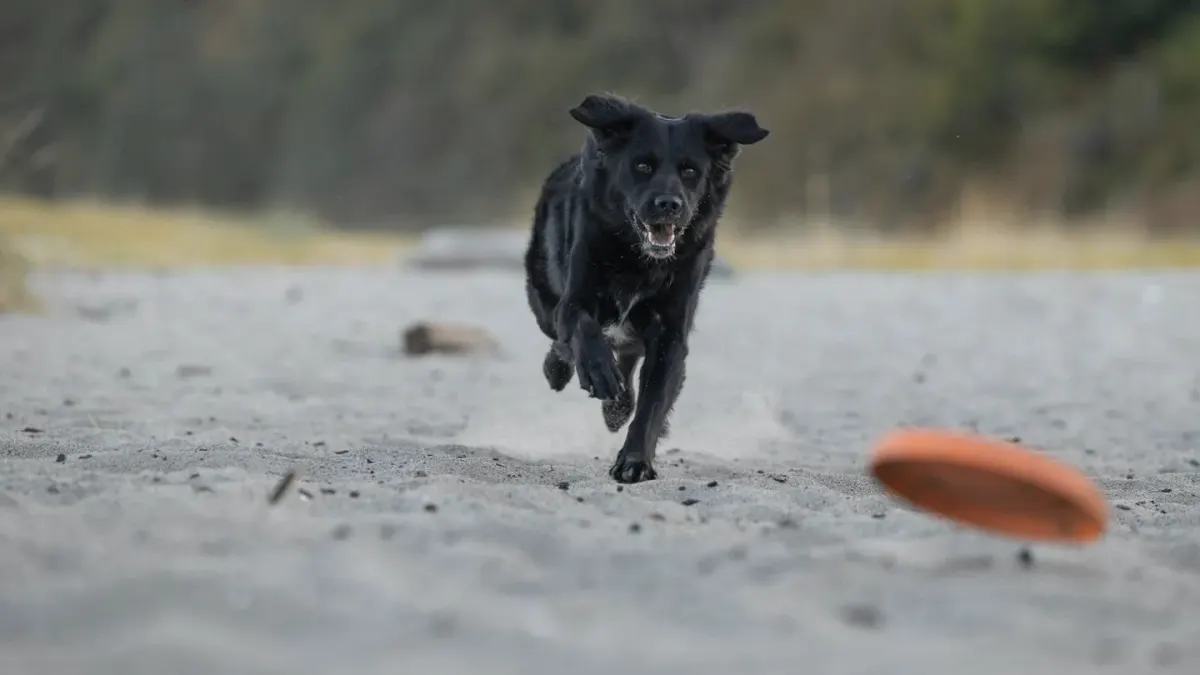
The house is quiet but your dog cannot settle. She circles the rug, noses your hand, then drifts back to the door to check again.
Should you sew tonight or keep it simpler?
If she still likes to nose into blankets and towels without tearing them, a homemade mat is a gentle choice. If she rips fabric, guards food, or tries to eat cloth, choose something simpler for tonight, like kibble scattered on grass or a towel game from Easy DIY Dog Toys You Can Make at Home.
Tonya faced that fork with Skippy, her 7-year-old Poodle mix in Sacramento. He whined and paced for about 20 minutes after dinner, but he would nose a folded towel without chewing it. She decided a loose mat was worth trying, with close watching and an easy exit if he grew frustrated.
A common question is whether sniffing work tires a dog like a long walk. Sniffing offers a different kind of rest. It invites slow searching and pauses, which many families find easier on stiff joints and worried minds than added distance.
Gather soft pieces and build a safe base
Pick a base with holes you can thread fabric through. A clean rubber sink mat or a sturdy bath mat with a non-slip backing works well. Cut fleece or an old T-shirt into strips about one inch wide and six to eight inches long.
Push one strip through each hole and tie a single loose knot on top. Keep the knots full but open, so scent moves and kibble drops in without force. Leave no long loops that could catch a toe.
Use soft, washable fabric only. Skip plastic mesh, rubber bands, and anything with a strong odor. Wash new fleece first, and check the mat before each game for loose threads.
Supervision matters more than craft. As American Kennel Club notes in its enrichment guidance, foraging games are meant as watched play that lets a dog use the nose at an easy pace. VCA Hospitals frames the same idea as daily mental enrichment that supports normal routine and comfort, not as a cure for worry.
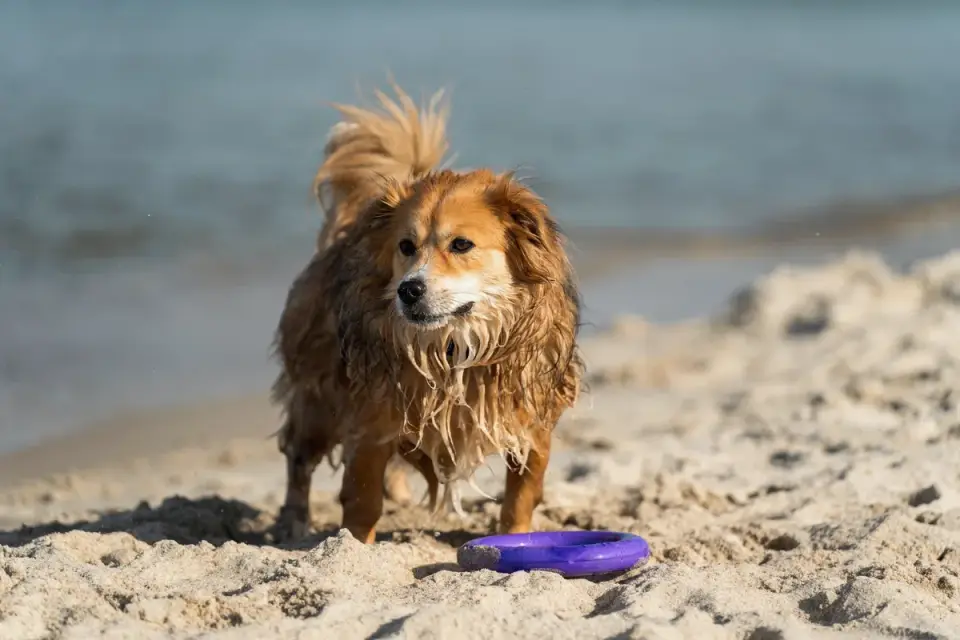
Lay the first game so she can win
Start with the mat flat and the fleece parted. Place five or six pieces of her regular kibble right on top where she can see them.
Let her eat those. Then tuck the next few pieces just under the edge of the fabric.
Watch her nose. Loose tail, soft ears, and steady sniffing mean she is comfortable. Pawing hard, freezing, or walking away means the game is too difficult.
That is enough for night one.
Keep rounds to three to five minutes. End while she still wants more, and lift the mat between turns so resting means resting. Rinse or wash the mat often, and put it away after play so it stays a calm cue rather than another object to guard. For nights when sniffing feels like too much, a quiet scatter on a washable rug or ideas from The Real Test for an Apartment Dog Isn’t Size can hold the same rhythm with less setup.
Comfort grows in small repetitions. A winnable mat, a short round, and your steady presence may help support a quieter evening without asking her aging body or anxious mind to do more than it can.
Sources
- Expert Advice — American Kennel Club
- Know Your Pet — VCA Hospitals