On this page
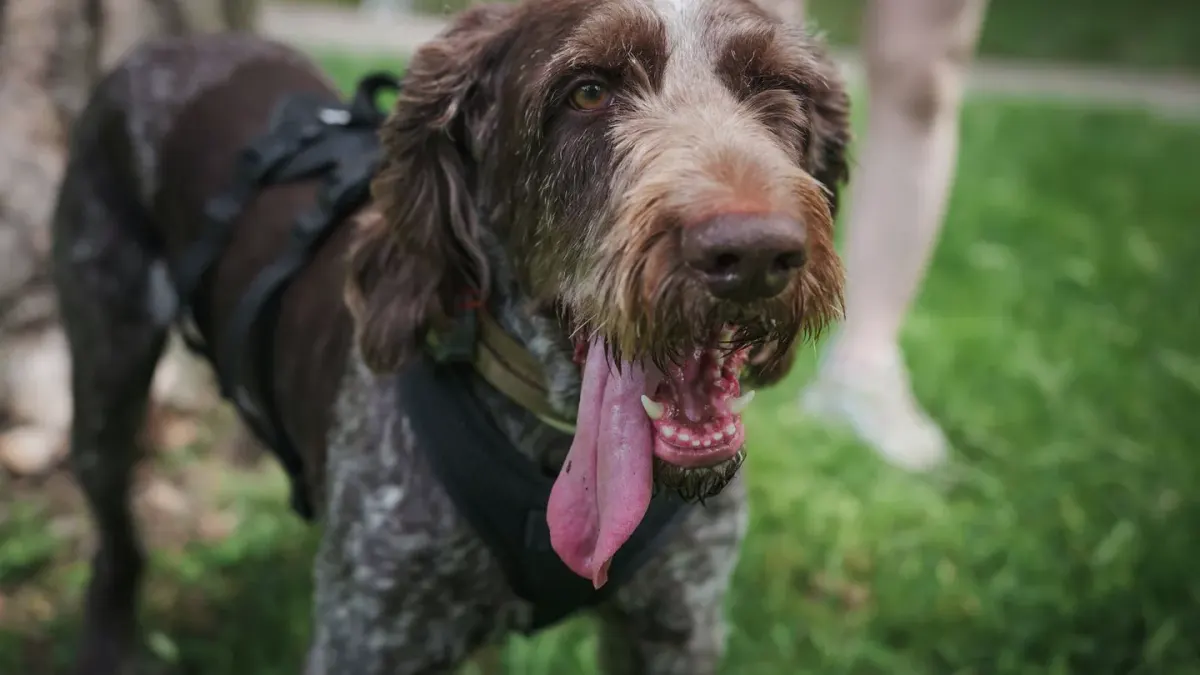
Mario noticed it first on humid Savannah nights, when Chandler, his 9-year-old neutered male Chow Chow, would circle his thick foam bed twice, sigh, and then flop onto the cool kitchen tile instead. The choice in front of Mario was simple to name and hard to make: keep the soft pile that was supposed to cushion old joints, or try the taut, trampoline-style raised cot his neighbor swore by.
That fork — airflow and easy standing versus deep cushion — is the whole raised-bed question for senior dogs.
When standing up is the hardest part of the day
Vets often see the same pattern in heavy, arthritic seniors: the dog can still walk to the door, but pushing up from a low, sink-in bed takes two or three rocking tries. A raised cot keeps the surface 7 to 10 inches off the floor, so the dog does not have to lift straight up from ground level, and the tight fabric does not wrap around sore elbows and hips the way a saggy pillow can.
For Chandler, that mattered. At 68 pounds with a thick coat, he needed traction and a stable edge to brace his front feet. A cot with a firm, non-stretch cover and a non-slip frame gave him that lever point.
This is also where metabolism enters the picture. The American Kennel Club notes that stiff, painful joints change how willingly an older dog moves after rest, and less movement means stiffer mornings in a feedback loop.
Think endocrine for a moment, because rest is hormonal. Cortisol follows a daily rhythm, thyroid hormones set metabolic pace, and growth hormone pulses during deep sleep to support normal tissue maintenance. Pain that fragments sleep can flatten that rhythm the next day. A bed that supports normal rest supports normal function the next morning — it does not fix the joint, but it protects the recovery window.
Cool air underneath beats thick foam for hot sleepers
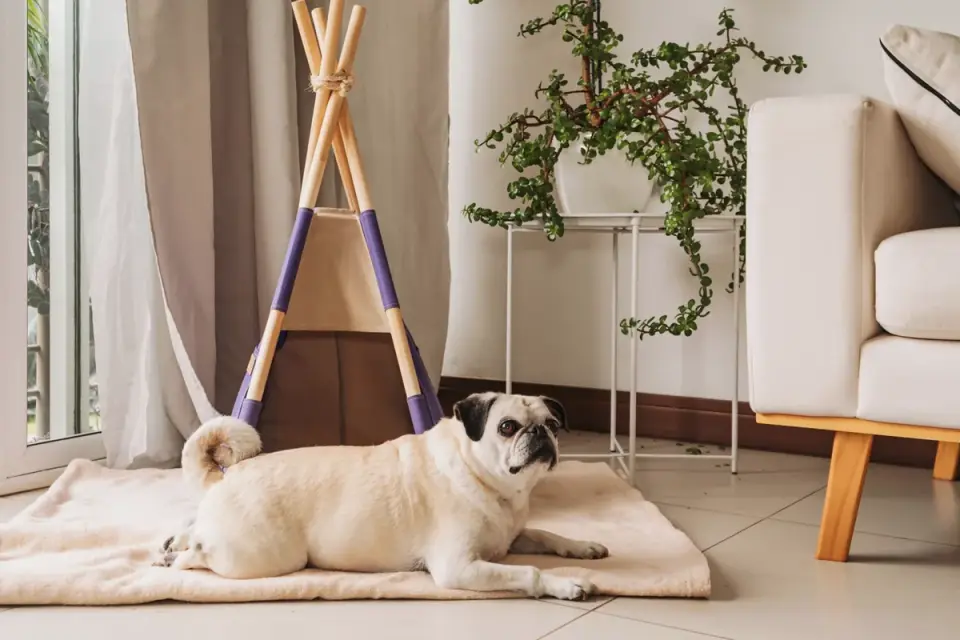
The strongest case for a raised bed is heat. The mesh suspends the dog in moving air, above and below, while foam insulates and traps body heat against the floor.
Older dogs with dense coats, higher body condition, or hypothyroid-related heat intolerance often seek tile, vents, or doorways at 2 a.m. In practice, owners report the dog actually stays on the cot through the night after weeks of floor-sleeping, often within 10 to 14 days of switching.
The VCA Hospitals overview of arthritis in dogs describes how warm, humid conditions and prolonged pressure on sore joints can make restlessness worse, which fits what hot seniors show us at midnight.
Cool matters more than soft for that dog.
When a raised cot is the wrong answer
Not every senior should sleep on a trampoline.
Dogs with advanced muscle wasting, marked instability, or pressure sores over bony points often do better on a thick, flat orthopedic foam bed that distributes weight. A taut cot creates higher pressure along elbows, hocks, and hips if there is little muscle left to pad them. The Merck Veterinary Manual review of joint disorders in dogs makes the same distinction clinicians use: support the joint, but also protect the soft tissue around it.
Skip the cot, or use it only for daytime lounging, if your dog slides off the edge, refuses to step up even with treats, perches with half his body hanging off, or develops new elbow calluses within a few weeks. Small, short-legged seniors and dogs with neurologic wobbliness may also feel insecure on a bouncy surface.
If night waking, panting, or pacing continues, revisit the plan in our guide to Thundershirt vs. an Oral Calming Aid for Dog Anxiety: Which One Fits Your Dog and our breakdown of Medicinal Mushrooms for Senior Dog Immune and Cognitive Health: A Vet’s Honest Breakdown — poor sleep in seniors is rarely about one product.
How to test one without wasting money
Borrow or buy a returnable cot with a breathable, replaceable cover, a weight rating well above your dog, and rubber feet that do not walk on hardwood. Place it where your dog already tries to sleep cool, not where you wish he would sleep.
Lure, do not lift. Treat for one paw on, then two, then a down-stay for 30 seconds. Most seniors decide within a week whether the surface feels secure.
Keep the old bed beside it for two weeks and track three things: where he finishes the night, how many tries it takes to stand in the morning, and any new rubbing, slipping, or reluctance on stairs. If morning stands get easier and he stays put past 3 a.m., the cot earned its floor space.
So is it worth it?
For the hot, heavy senior who can still climb a low step but hates sinking in, yes.
Frequently asked questions
Do raised dog beds help arthritis?
They can help dogs stand up more easily and stay cooler, which may support more settled rest. They do not treat arthritis, and dogs with muscle loss or pressure sores often need flat orthopedic foam instead.
Are raised beds too hard for senior dogs?
The taut fabric can pressure bony elbows and hips in thin seniors. Look for a firm, low-stretch cover, add a thin pad if needed, and switch to cushioned support if calluses or reluctance appear.
Sources
- Arthritis in Dogs — VCA Hospitals