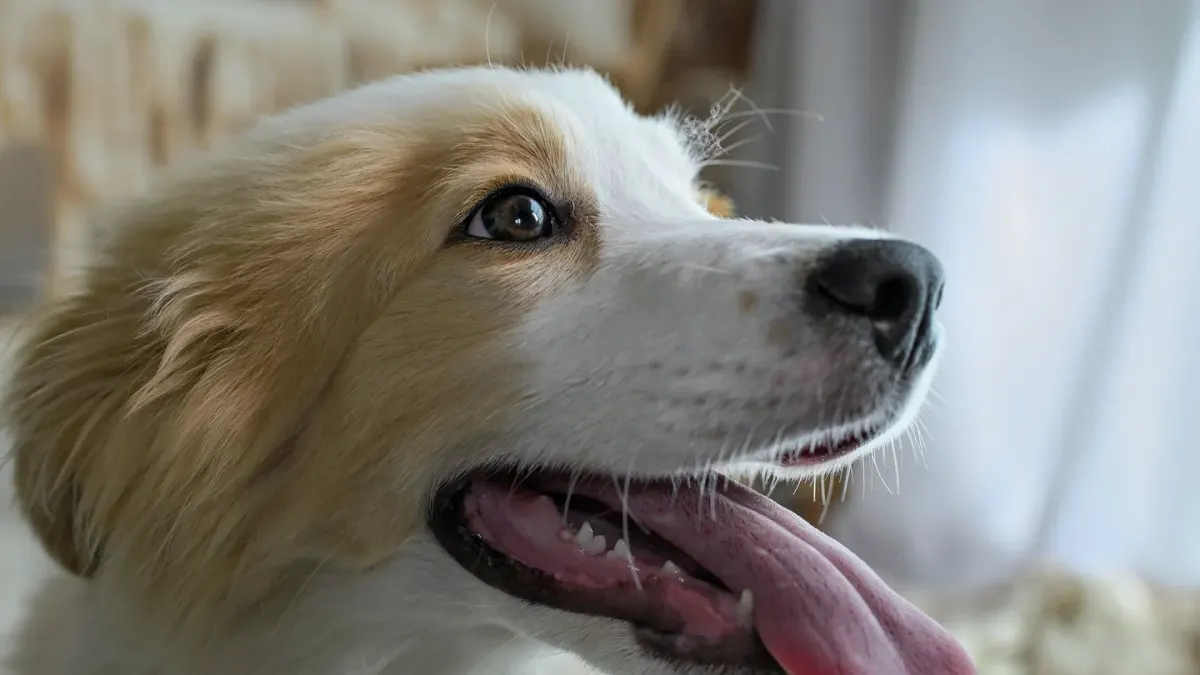
Erika fills the same scoop for Reksio every morning, yet her 3-year-old neutered Australian Shepherd in Alexandria, Virginia keeps gaining a little through the ribs over eight weeks.
Here is the fork most owners face at the counter: trust the scoop printed on the bag, or trust what the scale and the dog are actually telling you. I land firmly on the second path. Reach for both the imaging study and the acupuncture needle is how I practice neurology, and it is also how I think about feeding — combine measured numbers with hands-on observation of the whole animal.
A dry-food scoop looks precise, but volume shifts with kibble size, settling, and how heaped the scoop runs. Weight does not shift. That is why a small kitchen gram scale may help support steady feeding more than any cup can, because the mechanism is simple: same grams in, day after day, lets you see what the body does with it.
Weigh for a week before you change anything. Place the empty bowl on the scale, tare to zero, add the usual portion, and write down the grams. Feed that same weight twice daily, keep treats counted separately, and watch stool, energy, and hunger at night. In practice, vets often see owners discover their “one cup” ranges by 20 to 40 grams once they start weighing.
Start with the scale, then learn the ribs
Numbers alone do not finish the job. Pair the gram weight with a hands-on body check every two weeks. You should feel ribs easily under a light fat cover, see a waist from above, and see a tuck from the side. The WSAVA publishes body condition charts and feeding-assessment tools that walk through this check in plain language, and they are worth keeping on the fridge.
If Reksio scores a little heavy, trim the daily total by about 10 percent, hold that weight for two to three weeks, then recheck. Do not chase the scale daily.
What the label can and cannot do
The feeding guide on the bag is a starting range for an average dog, not a prescription for your dog. Neutered, less active, and middle-aged dogs often need less than the middle of the range. The U.S. Food and Drug Administration reminds owners to consider age, activity, and body condition when selecting and portioning pet foods, rather than feeding by package math alone.
Use the label to pick an initial gram target near the low end for Reksio’s ideal weight, not his current weight if he is heavy. Then let the rib check steer.
The counterargument worth hearing
Cups feel easier, and for a stable, lean adult dog they can hold steady if you level the same scoop the same way every time. Some households will not weigh long term, and consistency matters more than perfection.
I still favor the scale for any change — new food, weight loss, adding toppers like apple or blueberries or banana. A week of weighed meals after a switch tells you more than a month of leveled scoops. Once weight is stable for a month, a validated scoop can maintain it, with a scale recheck monthly.
Keep extras honest too. Small training treats, dental chews, and table scraps count toward the day. Many owners aim to keep those extras under about one-tenth of daily calories, and logging them for three days often explains a slow gain. If you add moist toppers or switch between foods, compare calories rather than volume, and revisit ideas like bland diet swaps only as short-term plans, not everyday portions.
The scale tells the truth.
For midnight worry, keep it small and doable: same gram amount, same times, fresh water, quiet rest after eating, and a quick rib check on Sundays. If weight keeps climbing despite careful weighing, or appetite drops sharply, call your veterinarian rather than cutting further on your own.
For related context, read Can Dogs Eat Onions? Why Vets Say No, Every Time.
For related context, read Bland Diet Alternatives When You’re Out of Chicken.
Frequently asked questions
Should I use a measuring cup or a gram scale?
Use a gram scale when accuracy matters — starting a diet, changing foods, or managing weight. A leveled cup can maintain a stable weight once you know the gram equivalent.
How often should I adjust my dog's portion?
Recheck body condition every 2 to 3 weeks. Adjust by about 10 percent at a time and hold steady before changing again.