
On this page
If your dog ate watermelon seeds off the patio or straight from the bowl, take a breath first and sort what happened into two piles.
- A few black or white seeds, no rind, dog acting normal: watch at home, offer water, feed normally, check stools for 24 to 48 hours.
- A lot of seeds, any rind, or a very small dog: watch more closely for vomiting, straining, belly pain, or no stool.
- Repeat vomiting, bloated belly, lethargy, or trying to poop with nothing coming: call your veterinarian right away.
- Senior dog or dog with a sensitive gut or prior blockage: lower your threshold for calling, even if the amount looks small.
That quick sort is the whole decision fork. Everything below explains why it works that way, and how neurology-minded, food-first care thinks about gut motility and comfort.
The fork in the kitchen: seeds alone or seeds plus rind?
The flesh of watermelon is the easy part. The trouble, when there is trouble, comes from the parts dogs do not chew well — firm seeds and especially tough rind. Guidance summarized by VCA Hospitals notes watermelon flesh in small, seedless amounts can be an occasional treat, while seeds and rind are the pieces to keep out of the bowl because they can irritate the gut or obstruct.
So ask two questions: how much was eaten, and was rind included? A large Labrador who swallowed three seeds from a dropped slice sits on a very different branch than a 12-pound terrier who chewed a thick rind edge. For more on what to cut away next time, see Can Dogs Eat Watermelon? What the Flesh Gives Your Dog, and What to Cut Away First.
Daniel in Columbia, Missouri, faced the first branch with Aya, his 5-year-old spayed female Rat Terrier mix. She snatched about six dark seeds from a cutting board, drank water on her own, and stayed playful. He chose home watching, fed her regular dinner, and counted two normal stools within 30 hours with seeds visible in one.
Why a few seeds usually keep moving
Dogs rarely grind watermelon seeds. Most small, smooth seeds get carried along with ingesta if the dog is hydrated, eating normally, and has normal motility. From a mechanistic view, that is peristalsis doing its job — coordinated contraction moving a small, blunt object through a much wider lumen.
This is also where I reach for both the imaging study and the acupuncture needle. Western neurology reminds us that gut movement depends on enteric nerves and vagal tone, while TCVM food therapy reminds us that warm, simple, easy-to-digest meals may help support normal digestive rhythm during recovery. Neither view promises a cure for obstruction. They point to the same practical step: do not fast a comfortable dog, do not add rich extras, and let normal meals and water support transit.
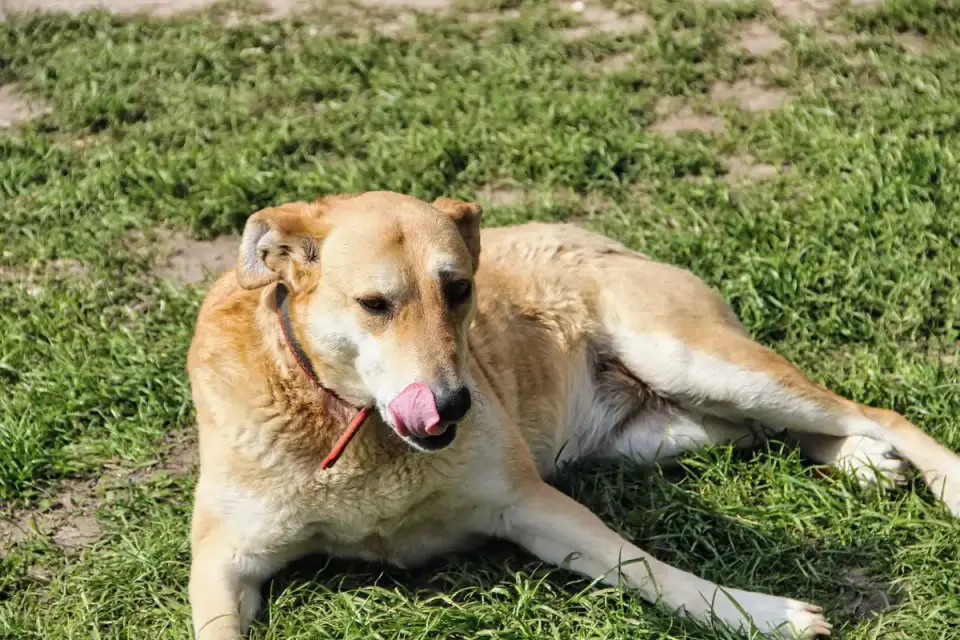
Keep the diet boring for a day. Regular kibble with water, no extra fruit, no cheese, no fatty scraps. If you want a refresher on other fruits with seed questions, Can Dogs Eat Apples? A Neurologist’s Take on the Fork, the Core, and the Seeds walks through the same core-and-seeds logic.
A single short paragraph to hold onto: most healthy, medium and large dogs pass a few seeds without a change in behavior.
When size and age change the math
Small lumens block more easily. That is the plain physics behind the warning for toy breeds, and the reason senior dogs deserve closer watching. Older dogs may have slower motility, dental disease that prevents chewing, prior surgeries, or medicines that alter gut movement.
The Merck Veterinary Manual describes gastrointestinal obstruction in small animals as a blockage that can bring vomiting, loss of appetite, abdominal pain, and absence of stool — the exact cluster to watch for after rind or a large seed load.
Jordan in North Las Vegas learned that caution with Gryffin, his 10-year-old neutered male Boxer. Gryffin took a 3-inch strip of rind plus seeds from a trash bowl, then skipped breakfast and vomited twice overnight. Because of his age and the rind involved, Jordan called the clinic that morning rather than waiting another day. In practice, vets often see that call go better early, when plain radiographs can still sort ileus from a true foreign body.
Use this tighter watch list for small dogs under about 15 pounds and for seniors:
- vomiting more than once, drooling, or repeated swallowing
- tender or distended belly, whining when lifted, prayer-position stretching
- straining without stool, very small hard stools, or no stool for over 24 hours
- lethargy, refusal of water, or pale gums
One or more of those means phone now, not tomorrow.
What to do tonight, step by step
Stay unhurried and concrete. Remove leftover watermelon, rind, and seeds so grazing stops. Note the time, estimated seed count, whether rind was eaten, and your dog’s weight. Offer fresh water. Feed the next regular meal on time unless your vet has told you otherwise for vomiting.
Do not induce vomiting at home unless your veterinarian specifically tells you to. Seeds are not a toxin to neutralize, and vomiting a sharp rind piece can injure on the way up. Do not give mineral oil, butter, or a large fiber load to “push it through.” A small, normal meal is kinder to an unsettled gut than a kitchen experiment.
Watch stools without hovering. Most passed seeds show up within a day or two. If stools stay normal, energy stays normal, and belly stays soft, you can return to routine. If you need a bland next-day plan because dinner was skipped or vomited, Bland Diet Alternatives When You’re Out of Chicken lists simple options to discuss with your vet.
Call your veterinarian promptly for repeated vomiting, belly pain, bloat, bloody stool or vomit, inability to keep water down, profound lethargy, or no stool with straining. Bring your note about amount and timing. That detail helps the team decide between watchful waiting, imaging, fluids and motility support, or intervention.
The steadier path forward is simple: seedless, rindless wedges as an occasional bite, trash secured, and closer watching for little bodies and gray muzzles. The fruit is not the problem. The wrapper around it is.
Frequently asked questions
Are watermelon seeds poisonous to dogs?
No, they are not considered a cyanide-type toxin like apple seeds. The concern is mechanical irritation or, with large amounts or rind, blockage — especially in small and senior dogs.
How many watermelon seeds are too many?
There is no fixed number. A few seeds often pass in a healthy medium or large dog, while a handful plus rind in a small dog warrants a vet call. Judge by size, age, rind involvement, and symptoms.
How long should I watch my dog after eating seeds?
Watch closely for 24 to 48 hours for vomiting, belly pain, appetite loss, or stool changes, and call sooner if any of those appear or if rind was also eaten.
Sources
- Gastrointestinal Obstruction in Small Animals — Merck Veterinary Manual